
 +38(044)-234-42-73


What does an investor need in Ukraine?
 redactor
In the Ukrainian political vocabulary, there is a word that sounds like an incantation — “harmonization.” It is repeated by officials, experts, investors, and donors. They mean the convergence of Ukrainian rules with European ones. For an investor, this is much simpler. They need to understand that the rules in Ukraine work as predictably as they do in EU countries.
When rules are clear, money becomes cheaper and “longer.” Banks lend more actively, competition arises between financial institutions, and companies gain more financing options. For business, this is not abstract politics, but concrete economics.
An investor checks the first thing very pragmatically: what happens when a bank falls into crisis. After the 2008 financial crisis, Europe formed a simple rule. If a bank fails, the losses are first borne by its owners and major creditors. The state does not rescue the bank with taxpayers’ money. For an investor, this is a signal that the system operates according to a clear logic even in a stressful situation.
The next question is trust in bank deposits. People usually only look at the amount guaranteed by the state. For the stability of the system, other things are important: how quickly the money is paid out, whether the mechanism works automatically, and exactly who it protects. If depositors trust the banks, they keep their money there. For banks, this is a stable resource, and for business, it means more loans.
Another topic that previously seemed technical is the cybersecurity of the financial system. Modern banks operate through digital platforms; therefore, Europe has introduced uniform requirements for system protection, security testing, and the oversight of IT contractors. This is not a matter of technology for the sake of technology. It is a matter of trust in the financial infrastructure.
The same applies to the payment system. Ukraine has already taken an important step in its modernization, but European rules are constantly being updated. This concerns the fight against fraud, transparent commissions, and clear responsibility for financial institutions. For business, this means fewer losses and clear rules of the game in the payment market.
A separate story is the capital market. In Ukraine, it is often believed that if a law is passed, the market has already been created. In reality, an investor looks at much simpler things. Whether securities can be easily bought and sold. Whether there is transparent corporate reporting. Whether supervision works and whether manipulation is punished. And most importantly — whether any corporate dispute turns into a multi-year judicial soap opera.
The most painful topic for an investor is the rights of minority shareholders. Investments rarely come in large packages all at once. Often, it is a gradual process: a small stake, then an increase. If there is a risk of share dilution, asset stripping, or protracted corporate conflicts, the investor simply factors this risk into the price or refuses the deal altogether.
War creates an obvious risk for any investment. But alongside it exists another — legal risk. And it is precisely this risk that can be reduced even during the war. When rules are followed consistently, investors are ready to work even under difficult conditions.
International loans help keep the economy afloat. But a loan is a debt that must be repaid. Investments work differently. This is money that enters companies and remains in the country for years if the rules of the game are stable.
That is why true harmonization is not about the appearance of new “correct” terms in legislation. It begins where the rules are implemented without exceptions. For an investor, this is the main signal that the country is ready for “long money.”
The author — Volodymyr Klymenko, Vice Chair for Regional Development and Investment-Grant Policy of Ukraine
Last news
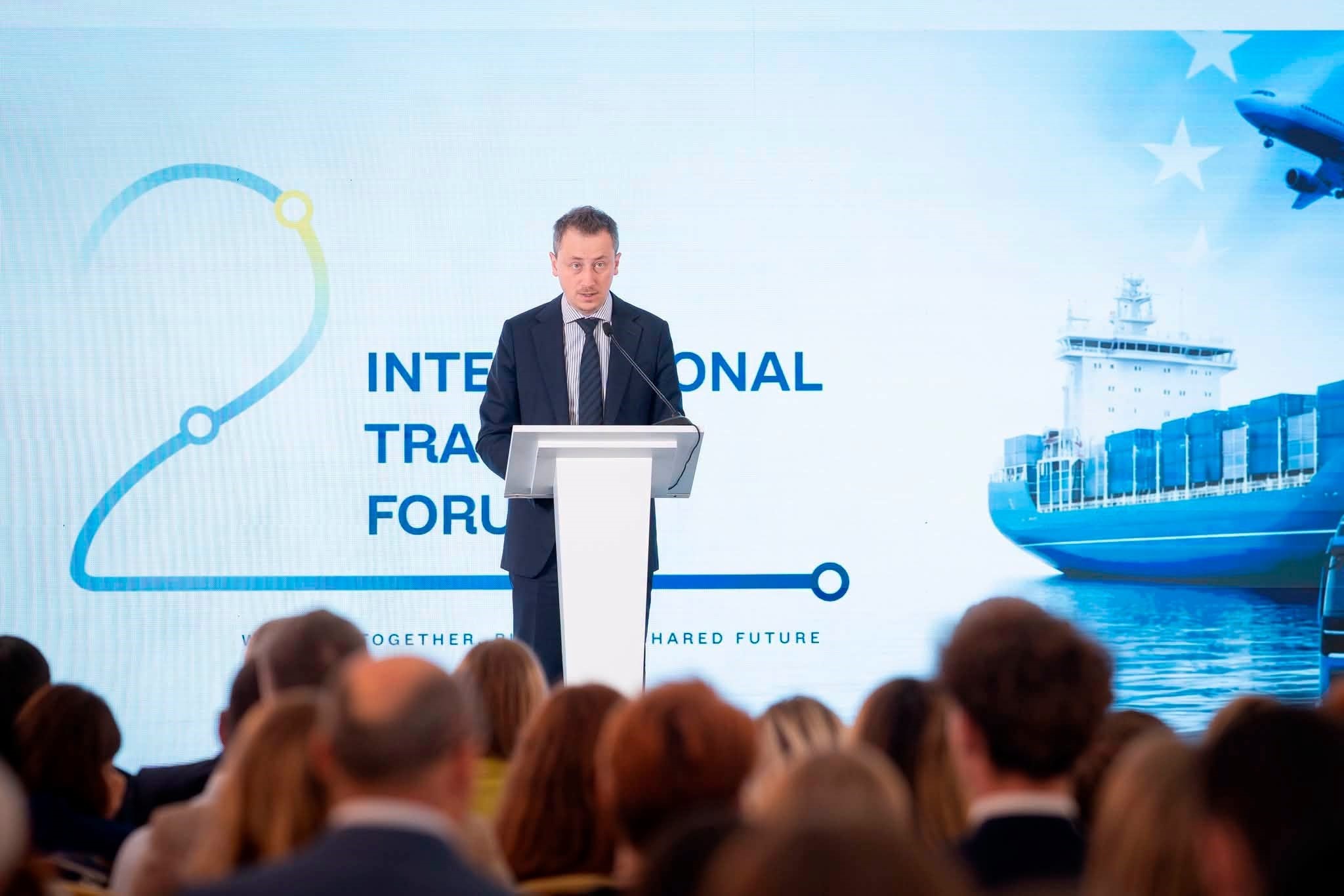
The Government Presented the Export Strategy of Ukraine until 2030
Representatives of ICC Ukraine joined the presentation of the Export Strategy of Ukraine until 2030, which took place during the…
13.07.2026
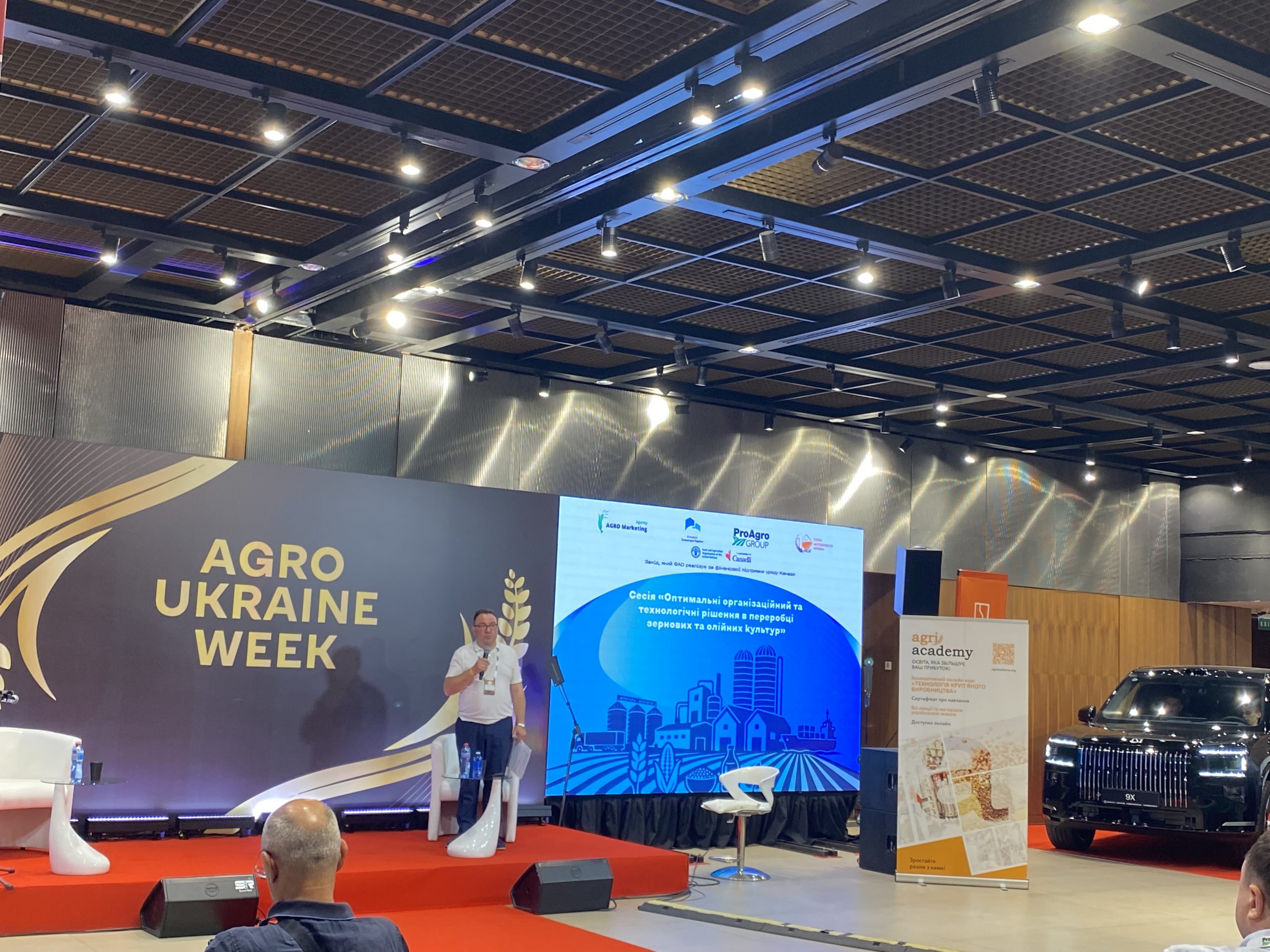
Agro Ukraine Week 2026: Three Days That United Agrarian Ukraine
From June 17 to 19, 2026, the International Agrarian Week "Agro Ukraine Week 2026" took place in Kyiv. It was…
24.06.2026
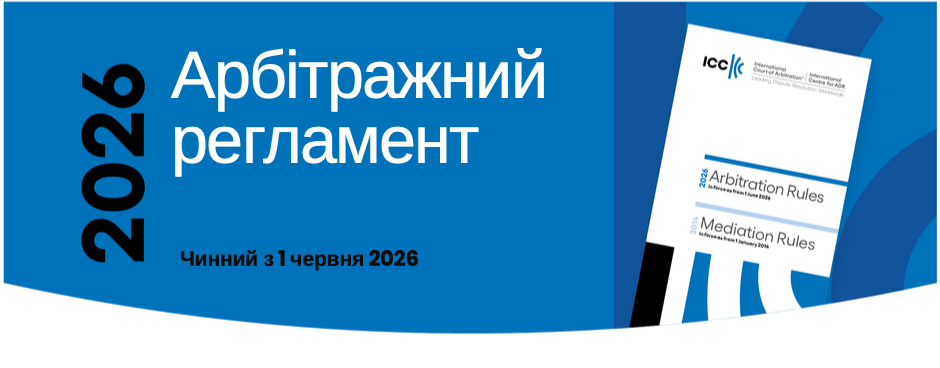
New ICC Arbitration Rules from June 2026: Faster, Clearer, More User-Friendly
The International Chamber of Commerce (ICC) has adopted an updated version of its Arbitration Rules. The new rules came into…
22.06.2026
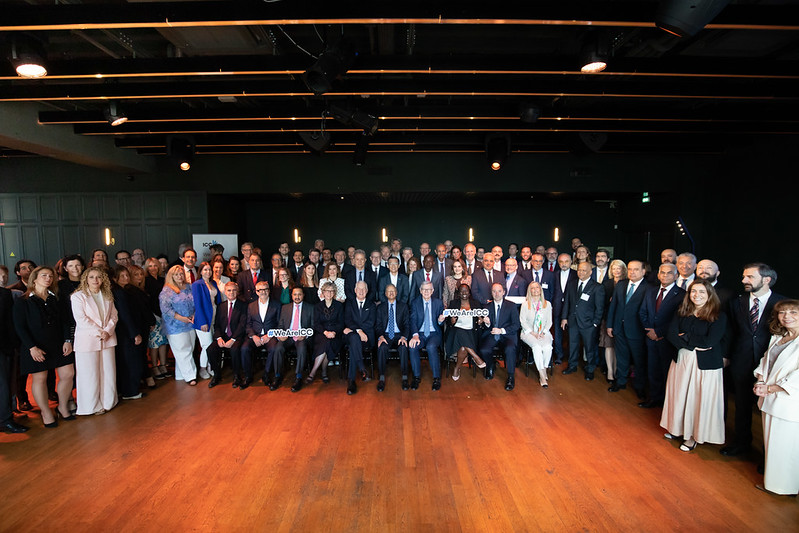
ICC Ukraine’s Participation in the World Council Meeting during ICC Week 2026
On June 11, 2026, the meeting of the World Council, the highest governing body of the International Chamber of Commerce…
17.06.2026
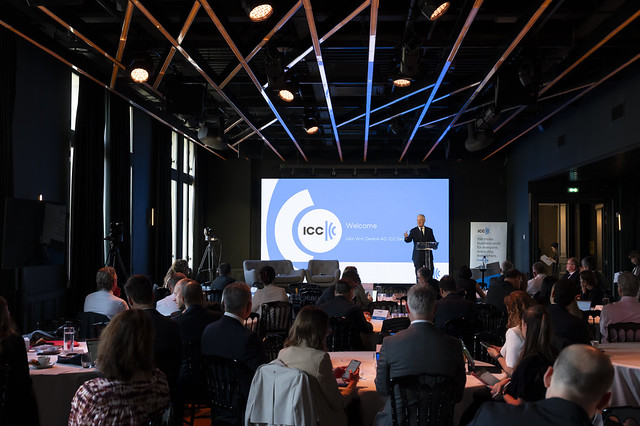
ICC Ukraine at ICC Week 2026
On June 10, Tetiana Savosko, Executive Director of ICC Ukraine, took part in the ICC Permanent Heads Meeting and a…
16.06.2026
ICC Week 2026: Representatives of ICC Ukraine Actively Participated in the Work of ICC National Committees
Within the framework of ICC Week 2026, representatives of ICC Ukraine actively participated in the work of ICC national committees…
15.06.2026
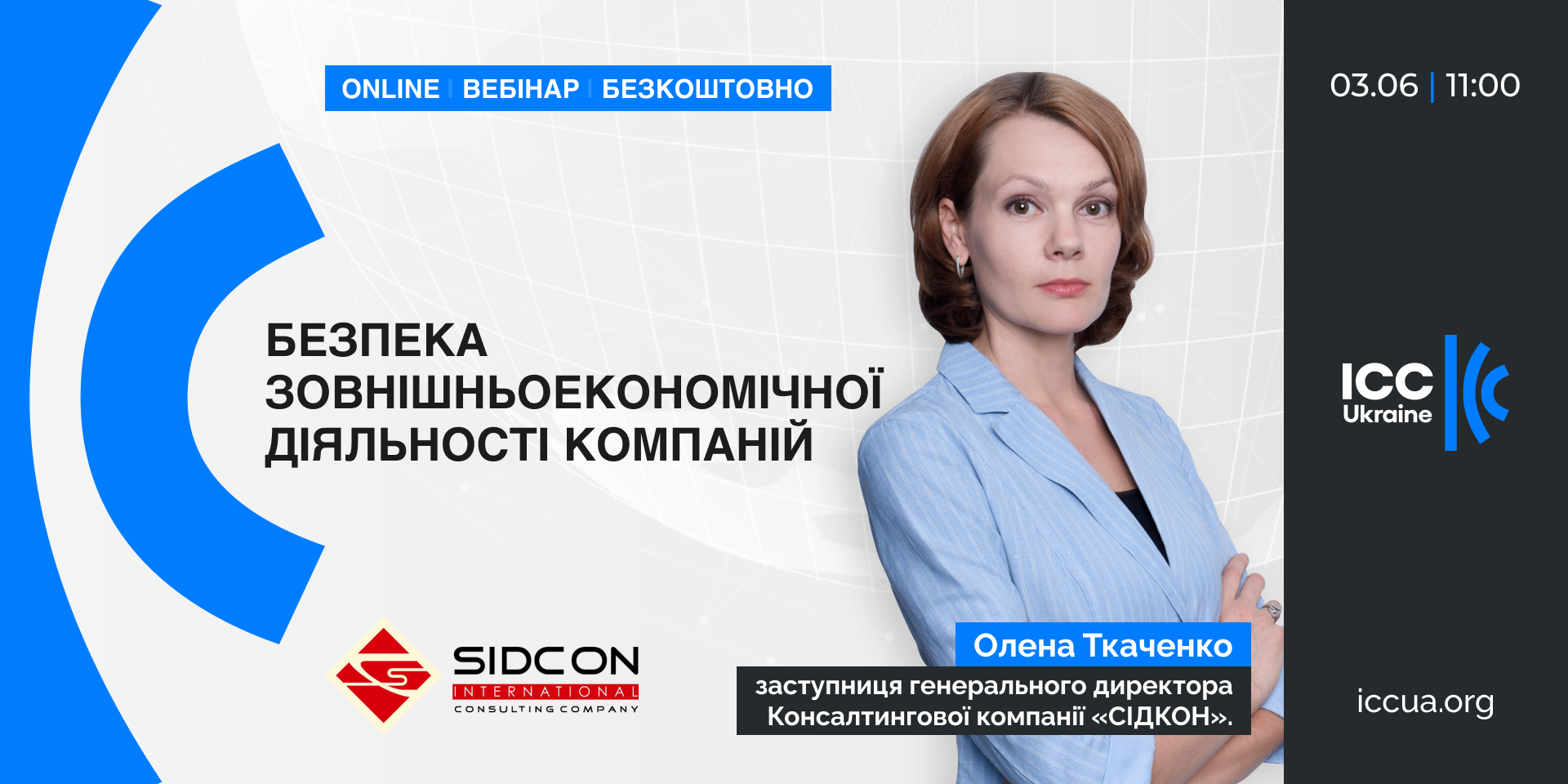
Security of Foreign Economic Activity and Fraud Protection: ICC Ukraine and SIDCON Held a Practical Webinar for Exporters
On June 3, 2026, the Ukrainian National Committee of the International Chamber of Commerce (ICC Ukraine), in cooperation with the…
04.06.2026
eATA Carnet
The eATA Carnet system digitalizes traditional paper ATA Carnets and their lifecycle management process, allowing users to initiate and track…

02.06.2026
Ukraine needs an “Infrastructure Ramstein” to support railways and logistics during the war
Volodymyr Shchelkunov, Chair the of ICC Ukraine: — The fifth year of the full-scale war has demonstrated that Ukraine’s transport…

01.06.2026
Ukrainian Business in Switzerland: ICC Ukraine Hosted a Practical Webinar for Entrepreneurs
How to Turn the "Expensive and Complex" Stereotype into a Working Success Strategy? On April 29, the International Chamber of…

06.05.2026
ICC Ukraine and the Ukrainian Bar Association have signed a memorandum of cooperation
The Ukrainian National Committee of the International Chamber of Commerce (ICC Ukraine) and the Ukrainian Bar Association (UBA) have signed…

28.04.2026
Integration Forum “Paths and Financing for the Recovery of Territorial Communities: Strategy 2026” in Ivano-Frankivsk
April 23, 2026, in Ivano-Frankivsk, the Integration Forum “Paths and Financing for the Recovery of Territorial Communities: Strategy 2026” took…

27.04.2026