
 +38(044)-234-42-73


The Government Presented the Export Strategy of Ukraine until 2030
 redactor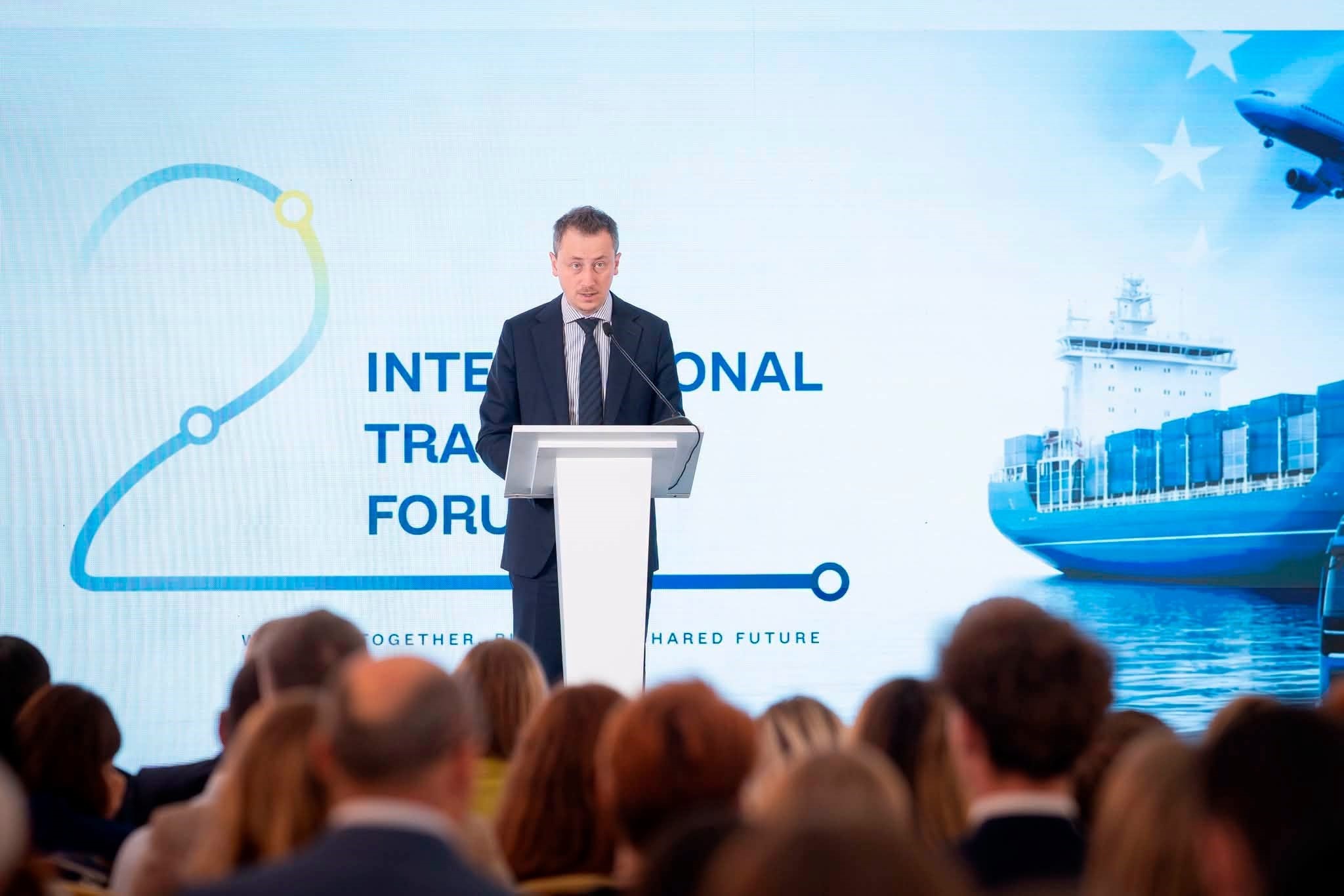
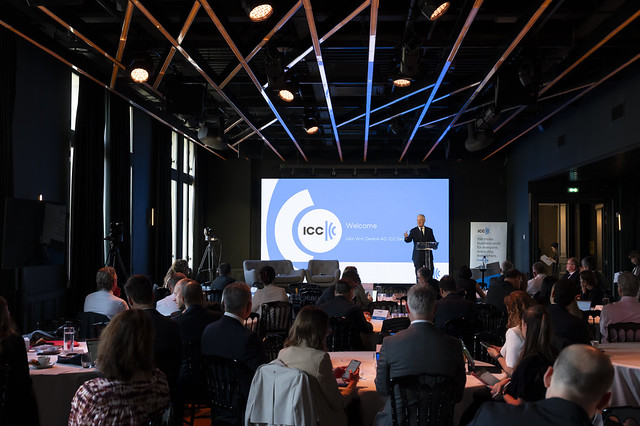
Representatives of ICC Ukraine joined the presentation of the Export Strategy of Ukraine until 2030, which took place during the Second International Trade Forum. The document defines the priorities for the development of Ukrainian exports for the coming years and envisions increasing the export of goods and services to 85 billion USD, raising its share in GDP to 33%, developing the export of high value-added products, and gradually moving away from a raw material-based economic model.
The event was attended by Taras Kachka, Vice Prime Minister for European and Euro-Atlantic Integration of Ukraine; Oleksii Sobolev, Minister of Economy, Environment, and Agriculture of Ukraine; as well as representatives of the European Union, the Embassy of Germany in Ukraine, the business community, and international organizations.
During the presentation, the Minister of Economy, Environment, and Agriculture of Ukraine, Oleksii Sobolev, emphasized: “$85 billion in exports by 2030 is an ambitious goal of the new Export Strategy of Ukraine. This strategic document is a roadmap for the development of Ukraine’s trade with the world for the coming years. We have the reserve for such growth—it lies in increasing the export of high value-added products. This will allow for increasing economic revenues, developing processing, creating new jobs, as well as overcoming export restrictions.”
As noted during the presentation by Deputy Minister Taras Vysotskyi, the Strategy, developed with the support of international partners, defines a joint action plan for the state, business, and donors to integrate Ukrainian producers into global value chains and deepen economic integration with the European Union.
The Strategy envisions increasing the share of services export to 25% and reducing the share of raw materials and low-processed goods to 59%. The implementation of the document will take place in two stages. In the first stage (2026-2028), the emphasis will be placed on digitalization, regulatory changes, and attracting investments. The interim goal for 2028 is set at an export volume of $80 billion, an export share in GDP of at least 31.2%, and a further reduction of the raw material component. The second stage (2029-2030) involves deepening integration into the EU single market, attracting transnational companies, and opening trade representative offices abroad.
The Strategy focuses as much as possible on supporting small and medium-sized enterprises (SMEs) as one of the key drivers of economic growth. For small producers, the document provides for the launch of grant programs for pre-export preparation within the country and clear coordination of international donor assistance through the “Export Alliance” single window. To support Ukrainian manufacturers abroad, an online platform called “Trade Protection of Ukraine” is being launched. To eliminate fragmented management, dedicated export authorized officers will appear in each regional state administration, and individual regional development plans for foreign economic activity will be developed in the regions.
“Small and medium-sized businesses often have a great idea and a high-quality product, but do not yet have the scale to independently cover the costs of analytics or exhibition activities. Our priority is to provide small producers with ready ‘turnkey’ tools through the exporter’s electronic account and systematically support them at international venues. In particular, up to 10 million UAH is provided to compensate the cost of collective national stands for industry associations at international exhibitions. We are creating a single window where businesses receive reliable support from the ‘Made in Ukraine’ brand and direct access to promising EU markets,” Taras Vysotskyi emphasized.
A separate focus in the Strategy is placed on the development of export logistics. In particular, there are plans to launch regular transportation services based on PrJSC “Ukrainian Danube Shipping Company,” which will allow for the consolidation of cargo in Danube ports and its delivery to major ports for subsequent maritime export. It also provides for the reform of the railway tariff system in accordance with the EU market model.
Monitoring of the Strategy’s implementation will be carried out on an ongoing basis: the responsible bodies will report every six months, and the government will review the first annual report by February 1, 2027.
For ICC Ukraine, participation in the event was an opportunity to join the professional discussion on the further development of Ukraine’s export potential, tools to support Ukrainian exporters, and strengthening the integration of domestic business into the global economy.
Based on materials and photos from https://me.gov.ua/News/List?lang=uk-UA&tag=News
Last news
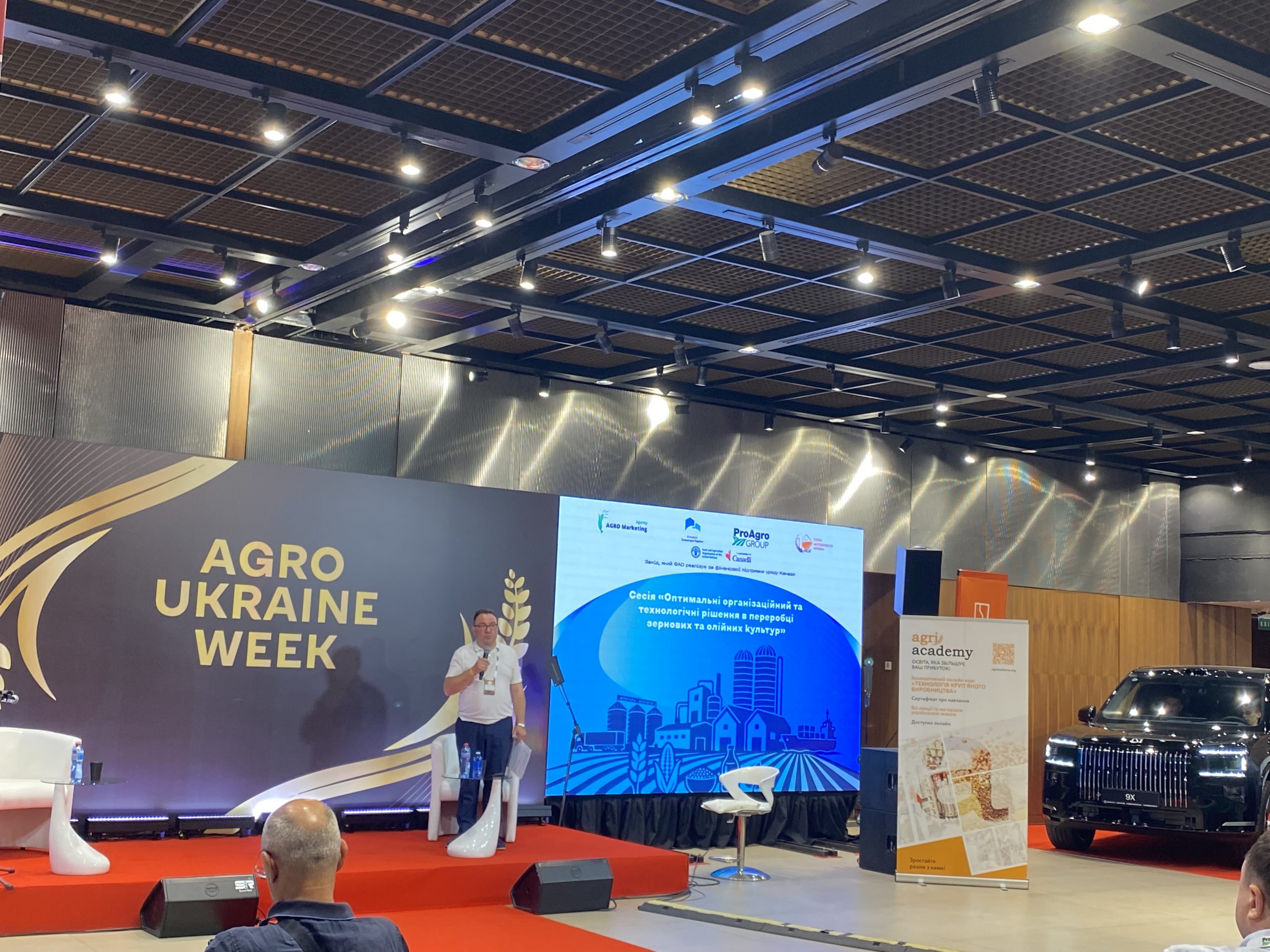
Agro Ukraine Week 2026: Three Days That United Agrarian Ukraine
From June 17 to 19, 2026, the International Agrarian Week "Agro Ukraine Week 2026" took place in Kyiv. It was…
24.06.2026
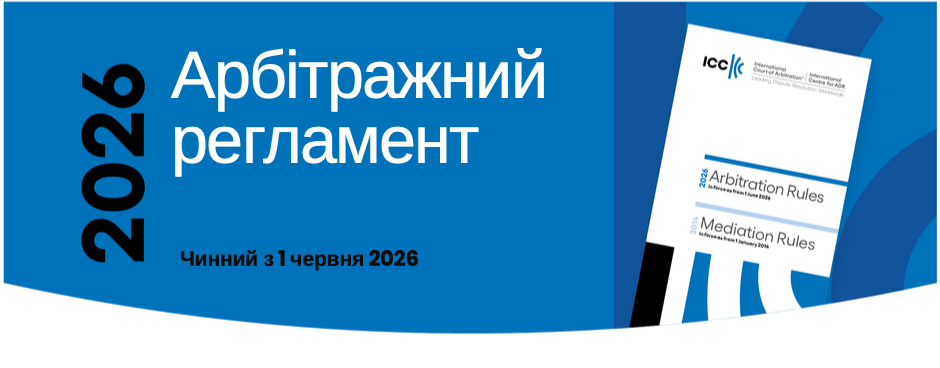
New ICC Arbitration Rules from June 2026: Faster, Clearer, More User-Friendly
The International Chamber of Commerce (ICC) has adopted an updated version of its Arbitration Rules. The new rules came into…
22.06.2026
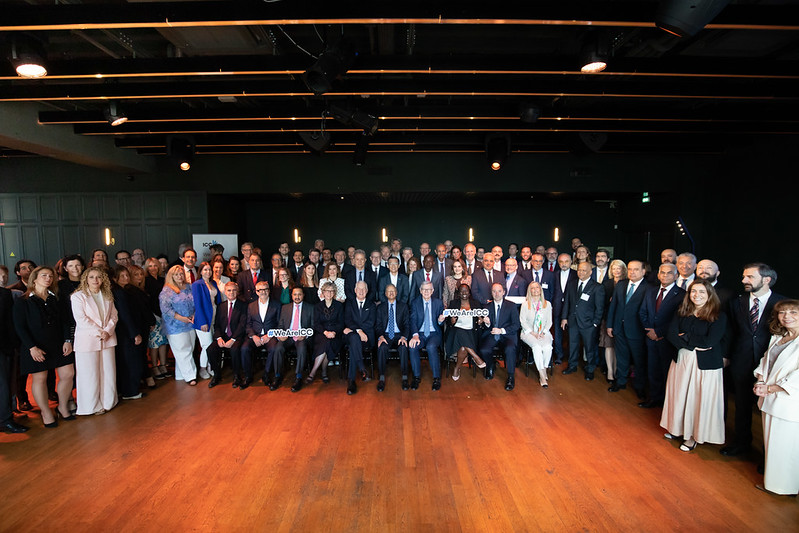
ICC Ukraine’s Participation in the World Council Meeting during ICC Week 2026
On June 11, 2026, the meeting of the World Council, the highest governing body of the International Chamber of Commerce…
17.06.2026
ICC Ukraine at ICC Week 2026
On June 10, Tetiana Savosko, Executive Director of ICC Ukraine, took part in the ICC Permanent Heads Meeting and a…
16.06.2026
ICC Week 2026: Representatives of ICC Ukraine Actively Participated in the Work of ICC National Committees
Within the framework of ICC Week 2026, representatives of ICC Ukraine actively participated in the work of ICC national committees…
15.06.2026
Security of Foreign Economic Activity and Fraud Protection: ICC Ukraine and SIDCON Held a Practical Webinar for Exporters
On June 3, 2026, the Ukrainian National Committee of the International Chamber of Commerce (ICC Ukraine), in cooperation with the…
04.06.2026
eATA Carnet
The eATA Carnet system digitalizes traditional paper ATA Carnets and their lifecycle management process, allowing users to initiate and track…

02.06.2026
Ukraine needs an “Infrastructure Ramstein” to support railways and logistics during the war
Volodymyr Shchelkunov, Chair the of ICC Ukraine: — The fifth year of the full-scale war has demonstrated that Ukraine’s transport…

01.06.2026
Ukrainian Business in Switzerland: ICC Ukraine Hosted a Practical Webinar for Entrepreneurs
How to Turn the "Expensive and Complex" Stereotype into a Working Success Strategy? On April 29, the International Chamber of…

06.05.2026
ICC Ukraine and the Ukrainian Bar Association have signed a memorandum of cooperation
The Ukrainian National Committee of the International Chamber of Commerce (ICC Ukraine) and the Ukrainian Bar Association (UBA) have signed…

28.04.2026
Integration Forum “Paths and Financing for the Recovery of Territorial Communities: Strategy 2026” in Ivano-Frankivsk
April 23, 2026, in Ivano-Frankivsk, the Integration Forum “Paths and Financing for the Recovery of Territorial Communities: Strategy 2026” took…

27.04.2026
Funding for reconstruction, the development of social housing, and the role of developers and municipalities were discussed at the Recovery Construction Forum Ukraine 3.0
Funding for reconstruction, the development of social housing, and the role of developers and municipalities were discussed during the RECOVERY…

24.04.2026