
 +38(044)-234-42-73


VAT and Microbusiness: How to Prevent Sole Proprietors from Going Underground
 redactor
Volodymyr Klymenko, Vice Chair for Regional Development and Investment-Grant Policy of Ukraine, specifically for ICC Ukraine, regarding the risks of introducing VAT for micro-business in the conditions of a wartime economy and limited liquidity.
Value Added Tax (VAT) is an indirect tax paid every time citizens purchase a good or service. Its regressive nature is well known: households with lower incomes spend a larger share of their earnings on consumption and, therefore, feel the tax pressure more acutely. In a wartime economy, where every hryvnia matters, this characteristic ceases to be purely theoretical.
In the event of a wide-scale introduction of VAT for individual entrepreneurs (FOPs) in 2026–2027, the key risk is the misalignment between the architecture of this tax and the reality of Ukrainian micro-business amidst war, limited liquidity, and a shortage of accessible financing. Under such circumstances, tax reform could turn into a survival test for those who effectively sustain the country’s everyday household economy.
VAT is not just a tax rate, but a complex institutional system of accounting, verification, and control. It requires strict documentary discipline, regular reporting, and procedural accuracy. Institutional economics points to a simple pattern: tax mechanisms are effective when society recognizes the rules of the game and feels reciprocity from the state—in the form of security, service, justice, and predictability. When trust is low, the system begins to fail, and administration risks devolving into selectivity and pressure.
For large businesses, accounting, legal support, and internal control are standard parts of the operational structure. For an individual entrepreneur, however, these functions often become a second profession. The entrepreneur simultaneously sells, produces, fulfills orders, manages documents, and bears personal responsibility for compliance with complex rules.
This is where the asymmetry of fixed costs arises: time, software solutions, payment for accounting services, and the risk of fines. Added to this are the costs of uncertainty—every mistake becomes a financial event, and an audit can halt operations at a critical moment.
A separate issue is cash flow gaps, which are almost inevitable when working with VAT. The time lag between the accrual of tax liabilities and the actual receipt of funds or the refund of a tax credit creates a “liquidity pit.” In an economy where short-term money is expensive and long-term money is scarce, this directly limits business turnover. The consequences include reduced hiring, frozen investments, and a fear of scaling. Entrepreneurship, which should serve as a tool for social mobility, loses this function.
Markets are a field of unequal forces, and the state, through regulatory rules, can unconsciously strengthen some participants at the expense of others. Complex tax mechanisms increase the value of administrative capital—the ability to work with the regulator, optimize tax burdens, and ensure legal protection. Large businesses possess the resources for this; small businesses rely mainly on their own reputation and personal labor. As a result, regulatory complexity turns into a competitive advantage for the strong and a barrier to entry for the new.
The effectiveness of VAT depends on the traceability of transaction chains and, consequently, on the quality of tax administration. If the state does not invest in this quality, it often compensates with the quantity of audits and sanctions. As Joseph Stiglitz noted, in such conditions, economic energy shifts from value creation to the struggle for rent extraction.
The introduction of VAT for individual entrepreneurs without a parallel strengthening of trust, predictability of rules, and access to financing will have predictable consequences: a decrease in the number of new businesses, lower survival rates for small enterprises, increased shadow economy activity, accelerated market concentration, and rising prices for local services. Ultimately, the regressive effect of such an approach will hit the consumption of lower-income households hardest.
Alignment with the European tax system makes sense only if formal rules are backed by service-oriented administration and financial instruments capable of smoothing out cash flow gaps. Otherwise, the same tax structure will mean a different price of risk for entrepreneurs—leading to a rational choice to operate where that risk is lower.
Tax discipline must be not only legally mandatory but also economically feasible. Without this, VAT risks turning into a factor that undermines the resilience of micro-business and, accordingly, the internal economic foundation of the country.
Photo – illustrative from open sources
Last news
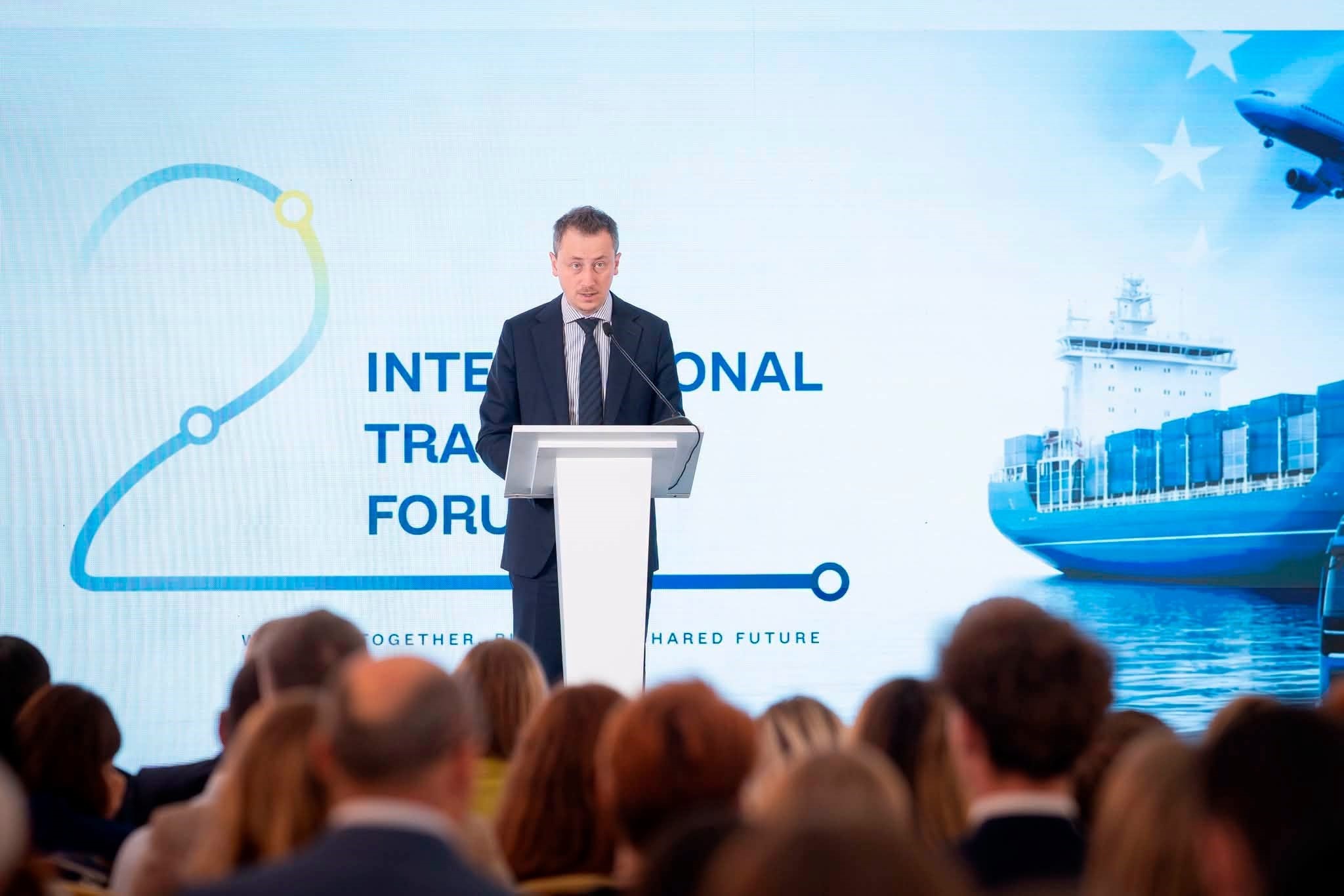
The Government Presented the Export Strategy of Ukraine until 2030
Representatives of ICC Ukraine joined the presentation of the Export Strategy of Ukraine until 2030, which took place during the…
13.07.2026
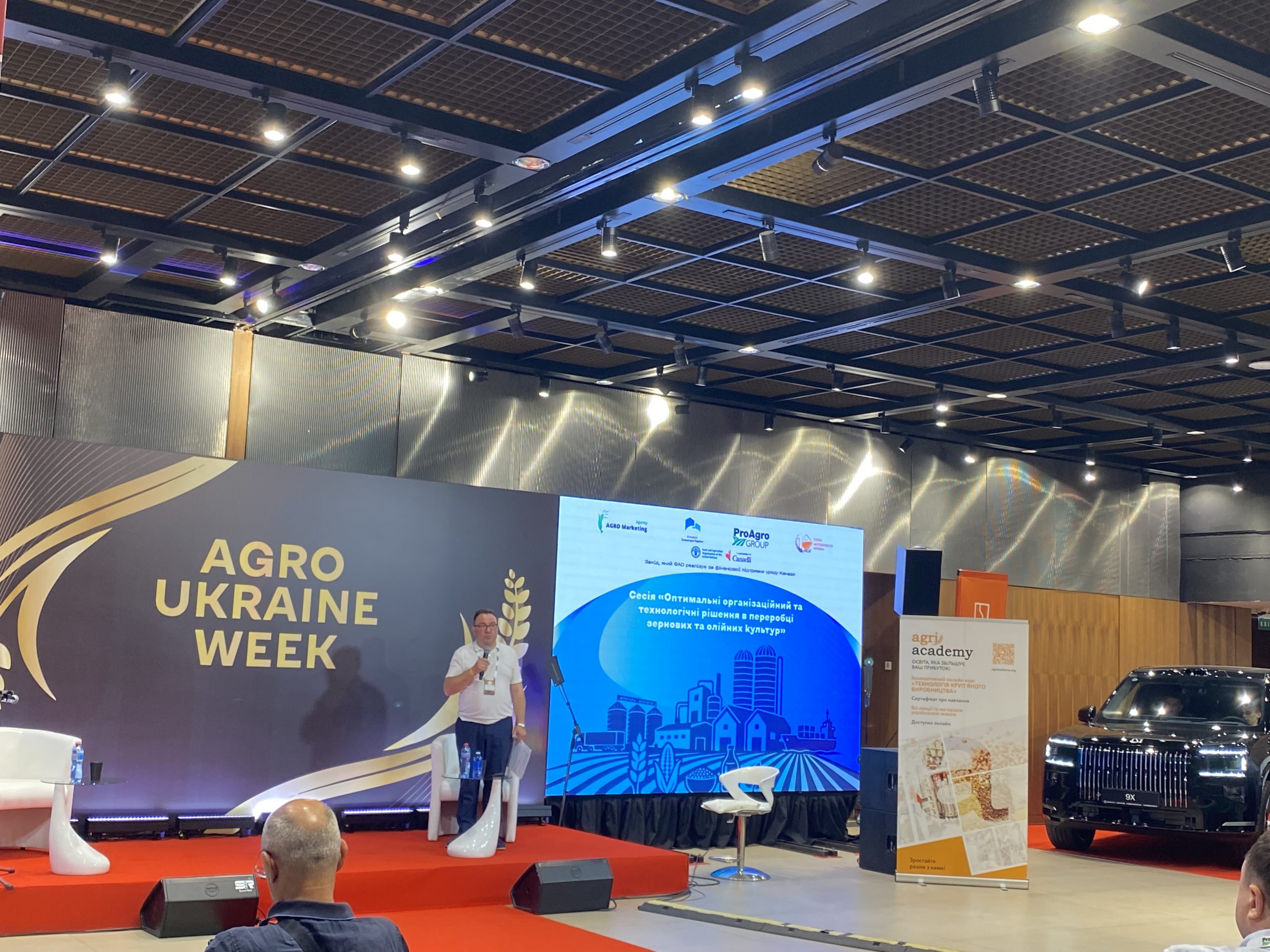
Agro Ukraine Week 2026: Three Days That United Agrarian Ukraine
From June 17 to 19, 2026, the International Agrarian Week "Agro Ukraine Week 2026" took place in Kyiv. It was…
24.06.2026
New ICC Arbitration Rules from June 2026: Faster, Clearer, More User-Friendly
The International Chamber of Commerce (ICC) has adopted an updated version of its Arbitration Rules. The new rules came into…

22.06.2026
ICC Ukraine’s Participation in the World Council Meeting during ICC Week 2026
On June 11, 2026, the meeting of the World Council, the highest governing body of the International Chamber of Commerce…

17.06.2026
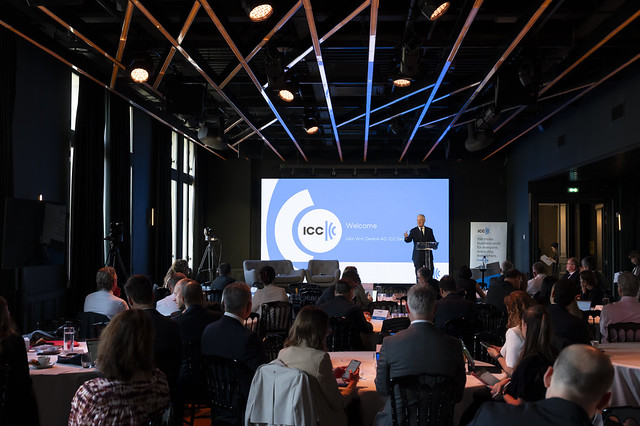
ICC Ukraine at ICC Week 2026
On June 10, Tetiana Savosko, Executive Director of ICC Ukraine, took part in the ICC Permanent Heads Meeting and a…
16.06.2026
ICC Week 2026: Representatives of ICC Ukraine Actively Participated in the Work of ICC National Committees
Within the framework of ICC Week 2026, representatives of ICC Ukraine actively participated in the work of ICC national committees…

15.06.2026
Security of Foreign Economic Activity and Fraud Protection: ICC Ukraine and SIDCON Held a Practical Webinar for Exporters
On June 3, 2026, the Ukrainian National Committee of the International Chamber of Commerce (ICC Ukraine), in cooperation with the…

04.06.2026
eATA Carnet
The eATA Carnet system digitalizes traditional paper ATA Carnets and their lifecycle management process, allowing users to initiate and track…

02.06.2026
Ukraine needs an “Infrastructure Ramstein” to support railways and logistics during the war
Volodymyr Shchelkunov, Chair the of ICC Ukraine: — The fifth year of the full-scale war has demonstrated that Ukraine’s transport…

01.06.2026
Ukrainian Business in Switzerland: ICC Ukraine Hosted a Practical Webinar for Entrepreneurs
How to Turn the "Expensive and Complex" Stereotype into a Working Success Strategy? On April 29, the International Chamber of…

06.05.2026
ICC Ukraine and the Ukrainian Bar Association have signed a memorandum of cooperation
The Ukrainian National Committee of the International Chamber of Commerce (ICC Ukraine) and the Ukrainian Bar Association (UBA) have signed…

28.04.2026
Integration Forum “Paths and Financing for the Recovery of Territorial Communities: Strategy 2026” in Ivano-Frankivsk
April 23, 2026, in Ivano-Frankivsk, the Integration Forum “Paths and Financing for the Recovery of Territorial Communities: Strategy 2026” took…

27.04.2026