
 +38(044)-234-42-73


Financing Ukraine’s Economy During the War: How to Bring Private Capital Back into the Picture
 redactor
Ukraine’s economy has entered a phase where budgetary support alone is no longer sufficient. Businesses need long-term capital, war risk insurance, predictable investment rules, and effective mechanisms to stimulate small and medium-sized enterprises. According to estimates by the Ministry of Economy, Ukraine’s real GDP declined by 1.2% in January–February compared to the same period in 2025, while the banking sector recorded UAH 17.783 billion in profit during the first two months of 2026. This gap highlights a structural imbalance in incentives. It is currently more выгодно for banks to maintain high liquidity and work with government instruments than to engage in complex, long-term projects in the real sector.
The profitability of the banking system itself is not in question. A strong banking sector must be profitable, well-capitalized, and resilient. The issue lies elsewhere. Bank profits remain weakly linked to the large-scale launch of new production, technological modernization, and investment lending. This indicates that the core problem lies in incentives and risk allocation. Bank profitability, in this context, is secondary.
Describing the current situation as a general contraction in lending is no longer accurate. In 2025, net hryvnia-denominated loans to businesses and households increased by more than one-third. Even more importantly, market-based lending grew faster than loans subsidized under the “5–7–9%” program, and the share of concessional loans in the hryvnia portfolio declined. Therefore, the key deficit today concerns long-term investment resources, war risk coverage, project finance, and lending to companies lacking strong collateral or operating in sectors with longer payback cycles. According to the National Bank of Ukraine, in 2022–2023 the banking sector demonstrated resilience and even profitability, largely due to investments in domestic government bonds (OVDP). This model is understandable in wartime conditions: the state requires financing, while banks seek low-risk instruments.
This is where the key contradiction emerges. During the war, the state has naturally become the largest borrower and the dominant player in the financial system. By the end of 2025, state-owned banks still accounted for around 52% of the sector’s net assets. Under such a configuration, the government, the regulator, and state-owned banks effectively shape most of the rules of the game. For businesses, this means a narrower competitive space, slower development of private financing instruments, and greater dependence on budgetary decisions.
This is why simply scaling up the “5–7–9%” program does not appear to be an adequate response. Preferential rates are useful as an anti-crisis tool, but they do not create a полноценний capital market. When the state becomes the primary discounter of the cost of money, the market loses its risk-pricing signal. Resources tend to flow toward areas supported by budget compensation, and maximum productivity ceases to be the main criterion for capital allocation. As a result, businesses become accustomed to politically determined rates, while banks adapt to state-driven demand architecture.
Ukraine needs a different focus. State support should concentrate on risks that the private market is unwilling to assume independently during wartime. These include partial guarantees, first-loss mechanisms, war risk insurance, export insurance, and joint instruments with international financial institutions. This approach is already working within European and global programs. The European Union’s Ukraine Investment Framework provides €9.5 billion in financial instruments and aims to mobilize over €40 billion in investments. The International Finance Corporation (IFC) in 2025 signed a €100 million risk-sharing agreement with Credit Agricole Ukraine to expand business lending. The European Bank for Reconstruction and Development (EBRD) increased its financing for Ukraine to a record €2.9 billion in 2025, with 57% directed to the private sector.
The practical conclusion is clear: Ukraine needs precise risk reduction mechanisms for private capital. Further expansion of state dirigisme in lending will only entrench existing distortions. The state must create a framework in which it is выгодно for banks to finance manufacturers, exporters, processors, logistics businesses, energy projects, and technology companies. This requires predictable taxation, strong creditor rights protection, effective collateral enforcement, transparent guarantee mechanisms, and rapid solutions for war risk insurance.
A separate issue concerns the role of state-owned banks. As long as the state controls more than half of the sector’s net assets, it is premature to speak of mature competition. Wartime conditions explain this configuration, but they do not negate the strategic objective. After stabilization, the state’s share in the banking sector should gradually decrease. Otherwise, the credit system will continue to gravitate toward budget financing, crowding out market-based risk assessment.
Ukraine’s recovery will require a massive volume of private capital. According to IFC estimates, the private sector could cover up to 40% of reconstruction needs. Therefore, the key objective of financial policy is to make bank lending, direct equity investment, quasi-equity, and long-term investment instruments standard practice. A strong recovery economy emerges where the state insures extreme risks, international partners multiply private resources, and competition for borrowers functions effectively.
Ukraine will succeed when the budget ceases to be the sole major driver of financing, and private capital gains real incentives to enter the country, its industries, its emerging startups, and its innovation ecosystem. This model will ensure both resilience during the war and sustainable economic growth afterward.
Volodymyr Klymenko
Vice Chair for Regional Development and Investment & Grant Policy
ICC Ukraine
Chairman of the Banking Commission, ICC Ukraine
Last news
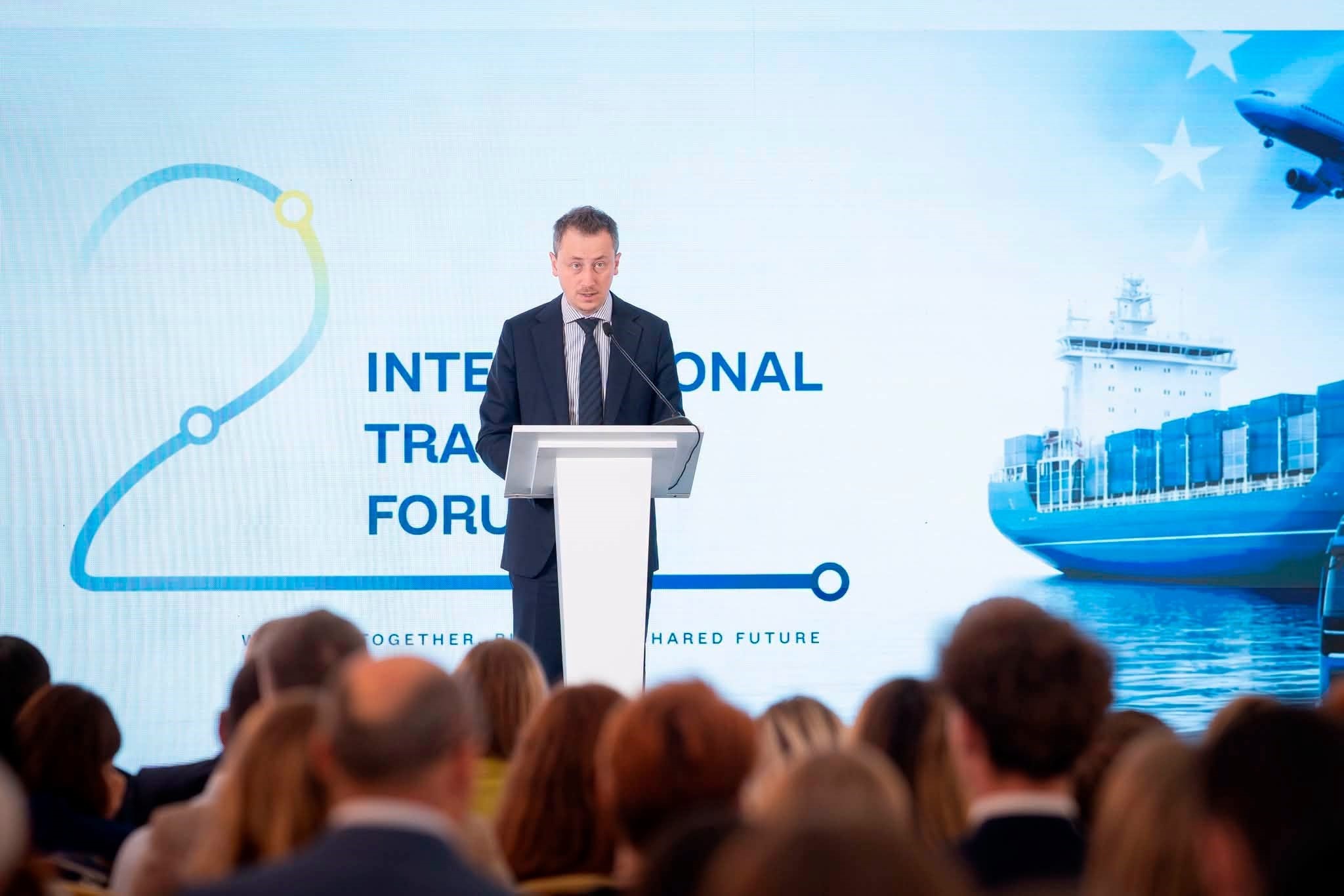
The Government Presented the Export Strategy of Ukraine until 2030
Representatives of ICC Ukraine joined the presentation of the Export Strategy of Ukraine until 2030, which took place during the…
13.07.2026
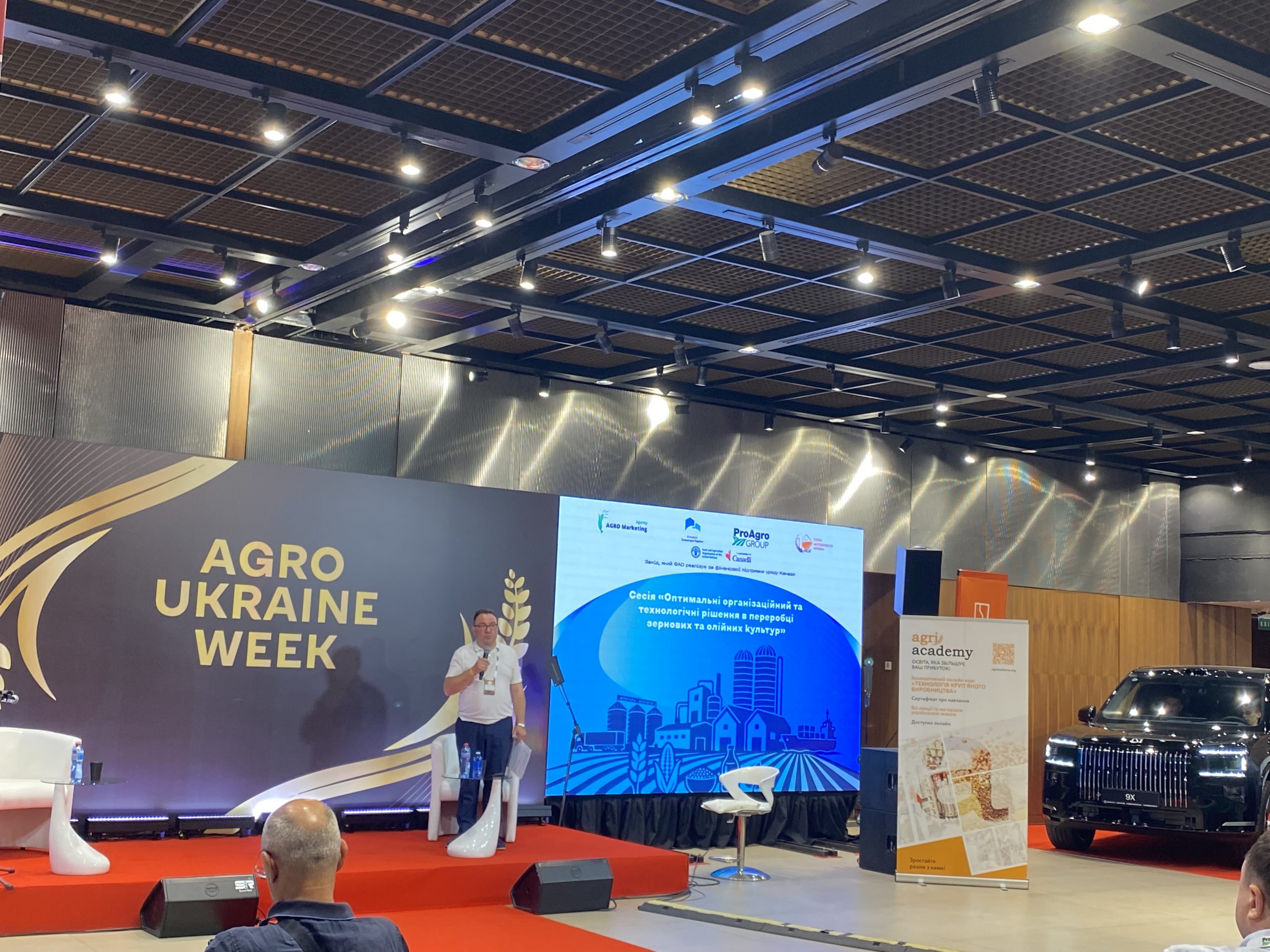
Agro Ukraine Week 2026: Three Days That United Agrarian Ukraine
From June 17 to 19, 2026, the International Agrarian Week "Agro Ukraine Week 2026" took place in Kyiv. It was…
24.06.2026
New ICC Arbitration Rules from June 2026: Faster, Clearer, More User-Friendly
The International Chamber of Commerce (ICC) has adopted an updated version of its Arbitration Rules. The new rules came into…
22.06.2026
ICC Ukraine’s Participation in the World Council Meeting during ICC Week 2026
On June 11, 2026, the meeting of the World Council, the highest governing body of the International Chamber of Commerce…

17.06.2026
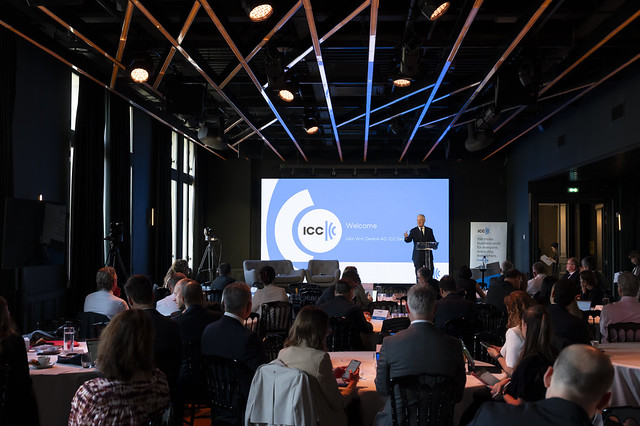
ICC Ukraine at ICC Week 2026
On June 10, Tetiana Savosko, Executive Director of ICC Ukraine, took part in the ICC Permanent Heads Meeting and a…
16.06.2026
ICC Week 2026: Representatives of ICC Ukraine Actively Participated in the Work of ICC National Committees
Within the framework of ICC Week 2026, representatives of ICC Ukraine actively participated in the work of ICC national committees…

15.06.2026
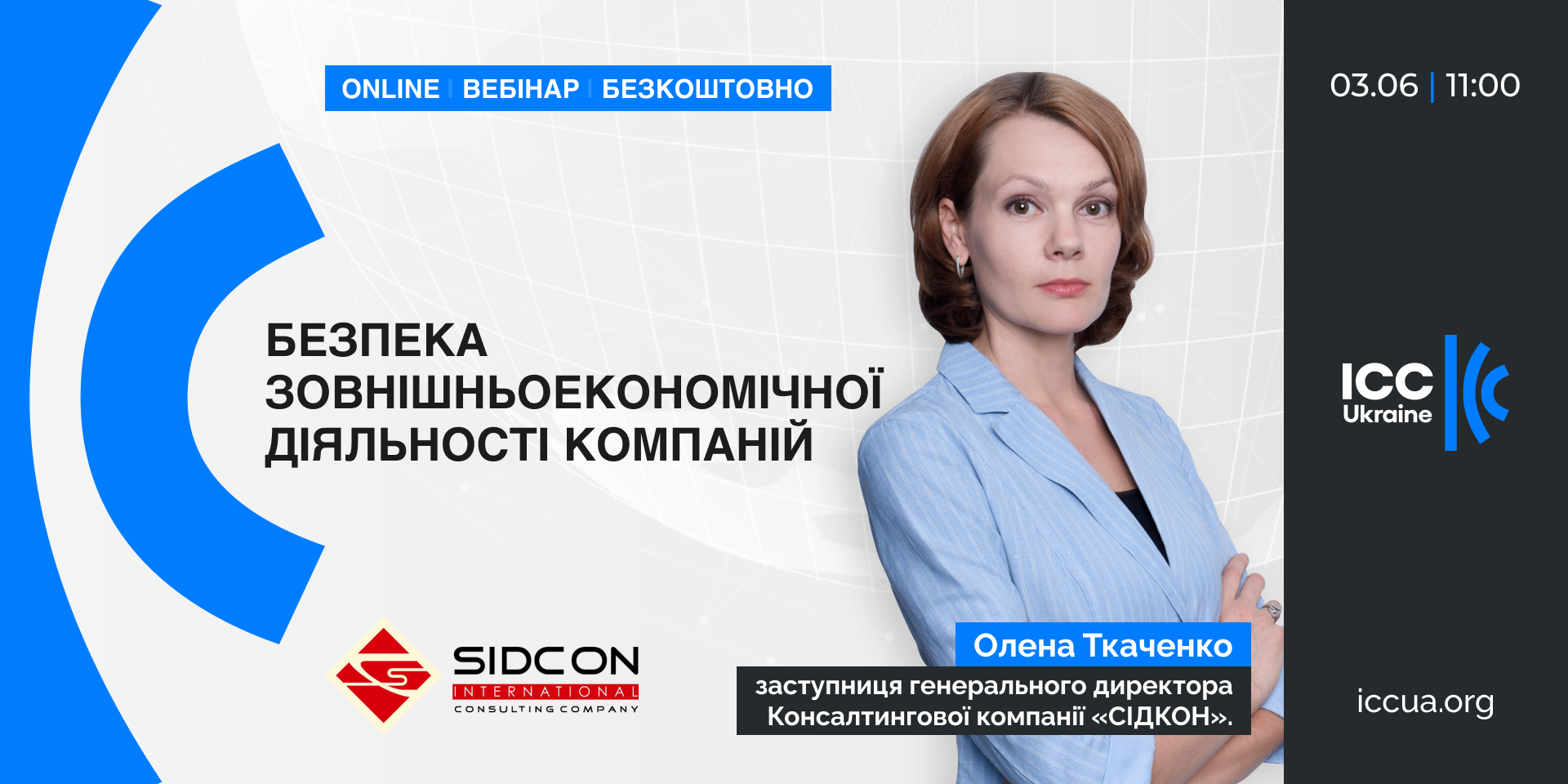
Security of Foreign Economic Activity and Fraud Protection: ICC Ukraine and SIDCON Held a Practical Webinar for Exporters
On June 3, 2026, the Ukrainian National Committee of the International Chamber of Commerce (ICC Ukraine), in cooperation with the…
04.06.2026
eATA Carnet
The eATA Carnet system digitalizes traditional paper ATA Carnets and their lifecycle management process, allowing users to initiate and track…

02.06.2026
Ukraine needs an “Infrastructure Ramstein” to support railways and logistics during the war
Volodymyr Shchelkunov, Chair the of ICC Ukraine: — The fifth year of the full-scale war has demonstrated that Ukraine’s transport…

01.06.2026
Ukrainian Business in Switzerland: ICC Ukraine Hosted a Practical Webinar for Entrepreneurs
How to Turn the "Expensive and Complex" Stereotype into a Working Success Strategy? On April 29, the International Chamber of…

06.05.2026
ICC Ukraine and the Ukrainian Bar Association have signed a memorandum of cooperation
The Ukrainian National Committee of the International Chamber of Commerce (ICC Ukraine) and the Ukrainian Bar Association (UBA) have signed…

28.04.2026
Integration Forum “Paths and Financing for the Recovery of Territorial Communities: Strategy 2026” in Ivano-Frankivsk
April 23, 2026, in Ivano-Frankivsk, the Integration Forum “Paths and Financing for the Recovery of Territorial Communities: Strategy 2026” took…

27.04.2026